
Technology and research
We combine additive manufacturing with conventional machining and test each part under its intended working conditions.
From first sketch to working trial
We turn concepts into working models through design and testing. The result of each stage gives us the starting point for the next.
Sketch and 3D model
We establish the function, dimensions and neighbouring parts. We use the sketch to build a model to scale and select the feature to test physically.
Sample and trial assembly
We print or machine a sample and fit it into the assembly. We record where it fits, where there is play and what gets in the way of installation.
Testing and revision
We try the prototype under the agreed conditions and compare the results with the specification. We revise the geometry, material or drawing for the next trial.
Additive manufacturing and hybrid design
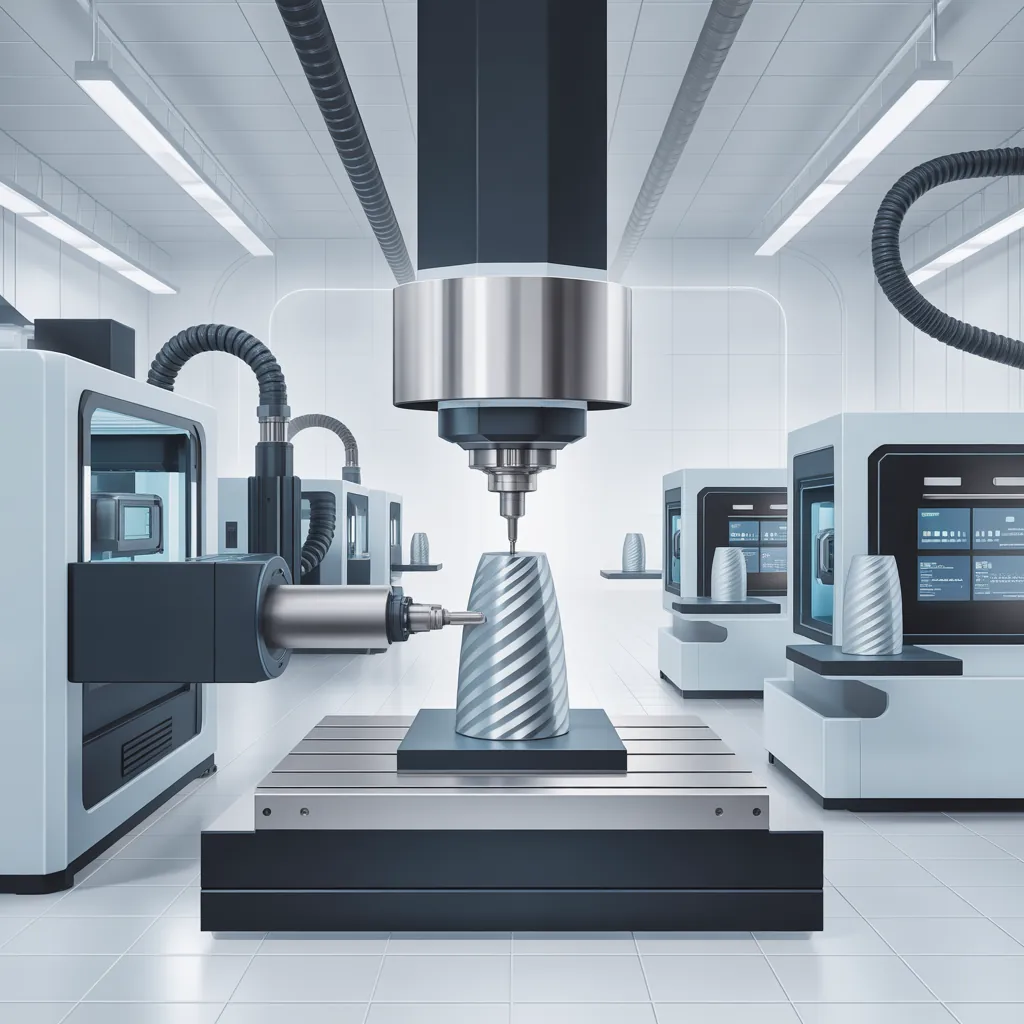
We combine traditional machining with 3D technologies to build complex models. A part body can be printed and a mating surface machined afterwards. The choice depends on form, material and the accuracy needed at assembly.
- Freedom of form
- Ribs, internal cavities and hard-to-reach surfaces can be built layer by layer. Part orientation and access for removing supports help determine which shapes are practical.
- Development time
- A printed sample can shorten the path to a first trial. We compare printing, finishing and fitting time with conventional machining for the particular part.
- Material and tooling
- Material is deposited where the form calls for it. Supports, finishing allowances and tooling are all part of the estimate for material use and cost.
Why experimentation and research matter
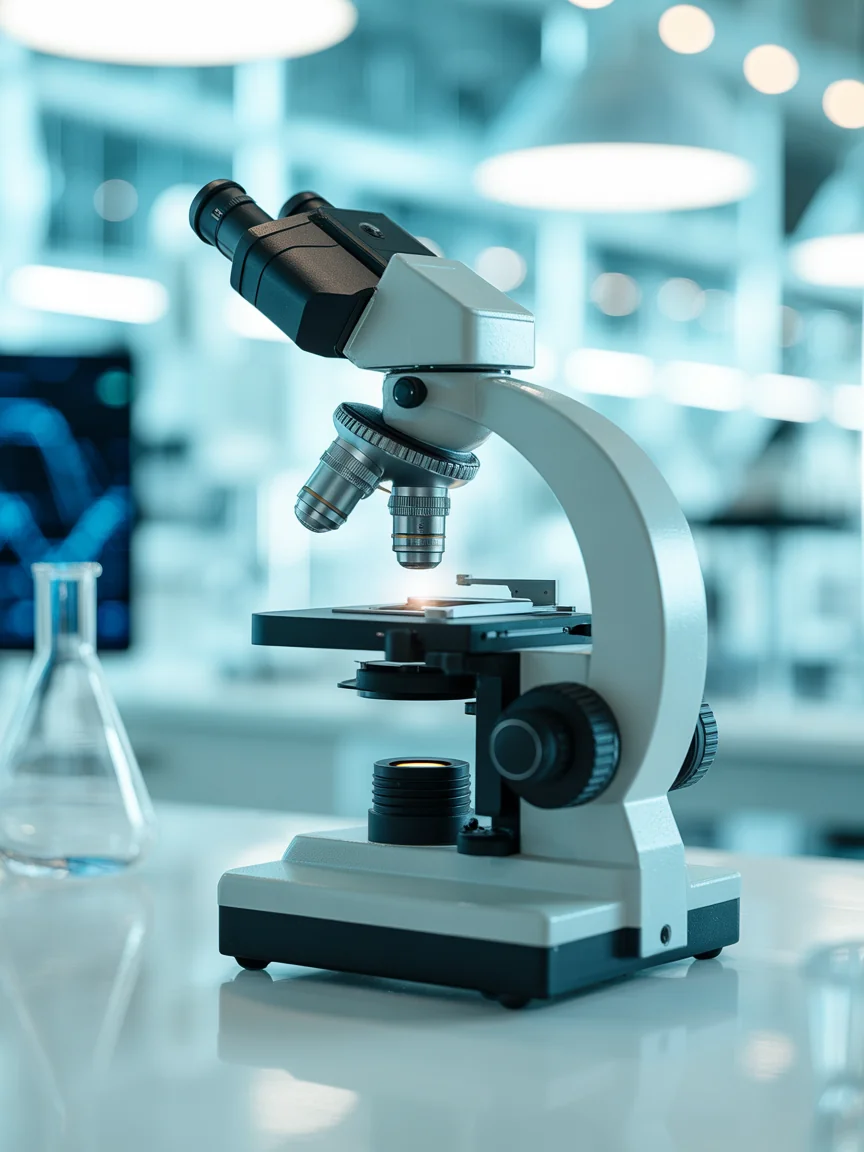
Experimentation and research turn ideas into things we can try. A hypothesis becomes useful in the workshop when we know what to measure and under which conditions.
- How discoveries happen
- Experimentation is how we build understanding. We test assumptions, discover new principles and learn from each trial, including those that send us back to the sketch.
- The value of a trial
- We check whether a part that works on screen does its job in real conditions. How it fits, handles and wears helps us decide what to revise next.
- Risks in an experiment
- An experiment can fail, produce an unexpected result or create a hazard. We decide the test conditions, the limits of the trial and when to stop in advance.
- What research takes
- Research takes equipment, suitable materials, time and experience. We plan these resources before machining and keep the observations for the next round of trials.
Experimenting is the hardest and costliest part. There seems to be nothing to show for it, just pages of sketches tracing a structure that exists in the imagination. Yet when it works, a model built on a new principle can change everything. Decades of hard work may pass, and those years can make hundreds of years better. One person, or a handful of people, may devote a lifetime to something that benefits us all.
Have a part or an idea to test?
A sketch, a few photos and the intended use help us understand where to start.